文章信息:Liu, K., Fan, C., Song, C., Best, J., Wang, J., Ke, L., Wada, Y., Li, D., Yamazaki, D., Deng, A., Na, J., Sikder, M. S. , & Woolway, R. I. (2026). Global patterns of reservoir sedimentation and overlooked risks in small reservoirs. Nature Sustainability. Advance online publication. https://doi.org/10.1038/s41893-026-01859-y
整理人:徐嘉苗,2025级硕士研究生
整理时间:2026年7月13日
Abstract: Reservoir sedimentation is an escalating threat to global water security. While most existing assessments focus on large, well-managed reservoirs, they overlook the vast and vulnerable network of smaller reservoirs, which hampers our understanding of global sedimentation risks. Here we present a high-resolution global assessment of reservoir sedimentation in over 550,000 reservoirs, ~95% of which are <1 km2, based on a physics-guided machine learning model and a comprehensive reservoir inventory. Sedimentation rates have been underestimated in over 75% of reservoir-bearing regions when large reservoirs alone are considered. This oversight conceals a loss in global average reservoir water storage of 7.3% ± 2.8% per decade, with nearly one in five reservoirs now facing high-risk status. We identify 16 global high-sedimentation hotspots across the Western Americas and Afro-Eurasian Sediment Belts, threatening water supplies to over 2 billion people and impacting ~26% of global irrigated land. Without intervention, we project that, by 2060, more than half of all reservoirs could become functionally inoperable, including 58.6% of small and 38.1% of large reservoirs. These findings highlight an urgent need for targeted, nature-based sediment management, particularly in dryland regions, where small reservoirs are critical for domestic water access and food production.
摘要:水库沉积是对全球水安全的日益严重威胁。虽然现有大多数评估关注的是大型且管理良好的水库,但它们忽视了庞大且脆弱的小型水库网络,这阻碍了我们对全球沉积风险的理解。本文基于物理引导的机器学习模型和全面的储层清单,呈现了超过55万个水库(其中95%为<1平方公里)中高分辨率的全球沉积评估。仅考虑大型水库,超过75%的含水库区域沉积速率被低估。这一疏忽掩盖了全球平均水库蓄水量每十年7.3%±2.8%的损失,近五分之一的水库现正面临高风险状态。我们识别出西美洲和非洲-欧亚沉积带的16个全球高沉积热点,威胁着超过20亿人的水源供应,影响了全球灌溉土地的~26%。如果不干预,我们预计到2060年,超过一半的水库可能功能性失效,其中包括58.6%的小型水库和38.1%的大型水库。这些发现凸显了针对性、基于自然的沉积物管理的紧迫需求,尤其是在干旱地区,小型水库对家庭水资源获取和粮食生产至关重要。
1. 研究背景
2. 研究意义
3. 研究方法
研究首先整合多源数据构建了全球水库清单,涵盖555,960座水库。基于来自56个国家6,133个实地测量的淤积数据,研究采用极端梯度提升机器学习算法,综合气候、土壤、地貌、水文、土地覆盖、人类活动及水库形态七大类共49个预测变量,建立了全球水库淤积速率预测模型。模型通过五折交叉验证进行训练与评估。研究进一步利用SHAP方法解析不同变量的相对贡献,并通过ArcGIS热点分析工具识别淤积高风险区域,最终结合全球灌溉地图和人口数据评估淤积对农业和人口的影响。
4. 主要结论
5. 研究展望
6. 研究主要图表
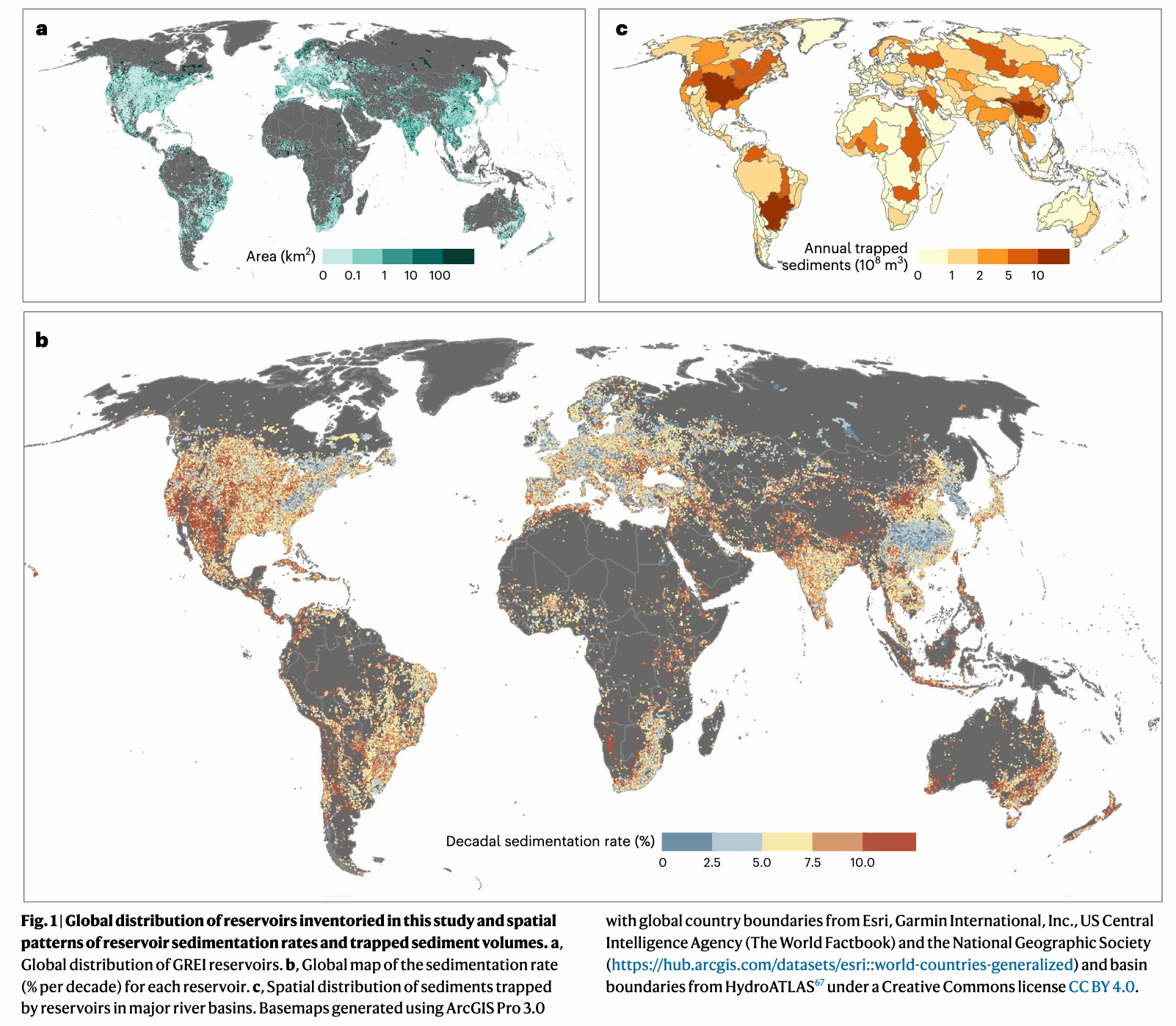
01 本研究中调查的水库全球分布及水库沉积速率和滞留沉积体积的空间模式
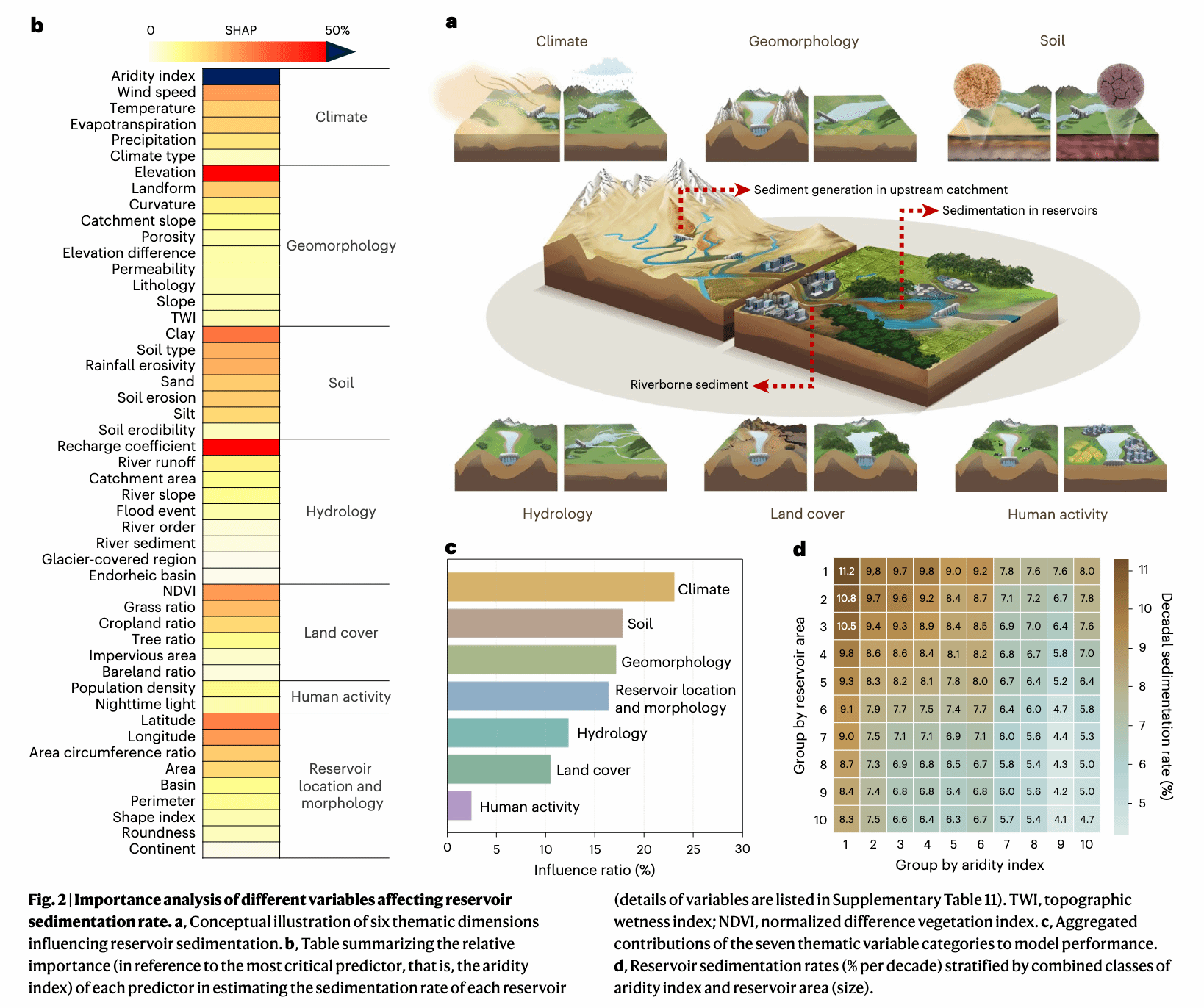
02 影响油藏沉积速率的不同变量的重要性分析
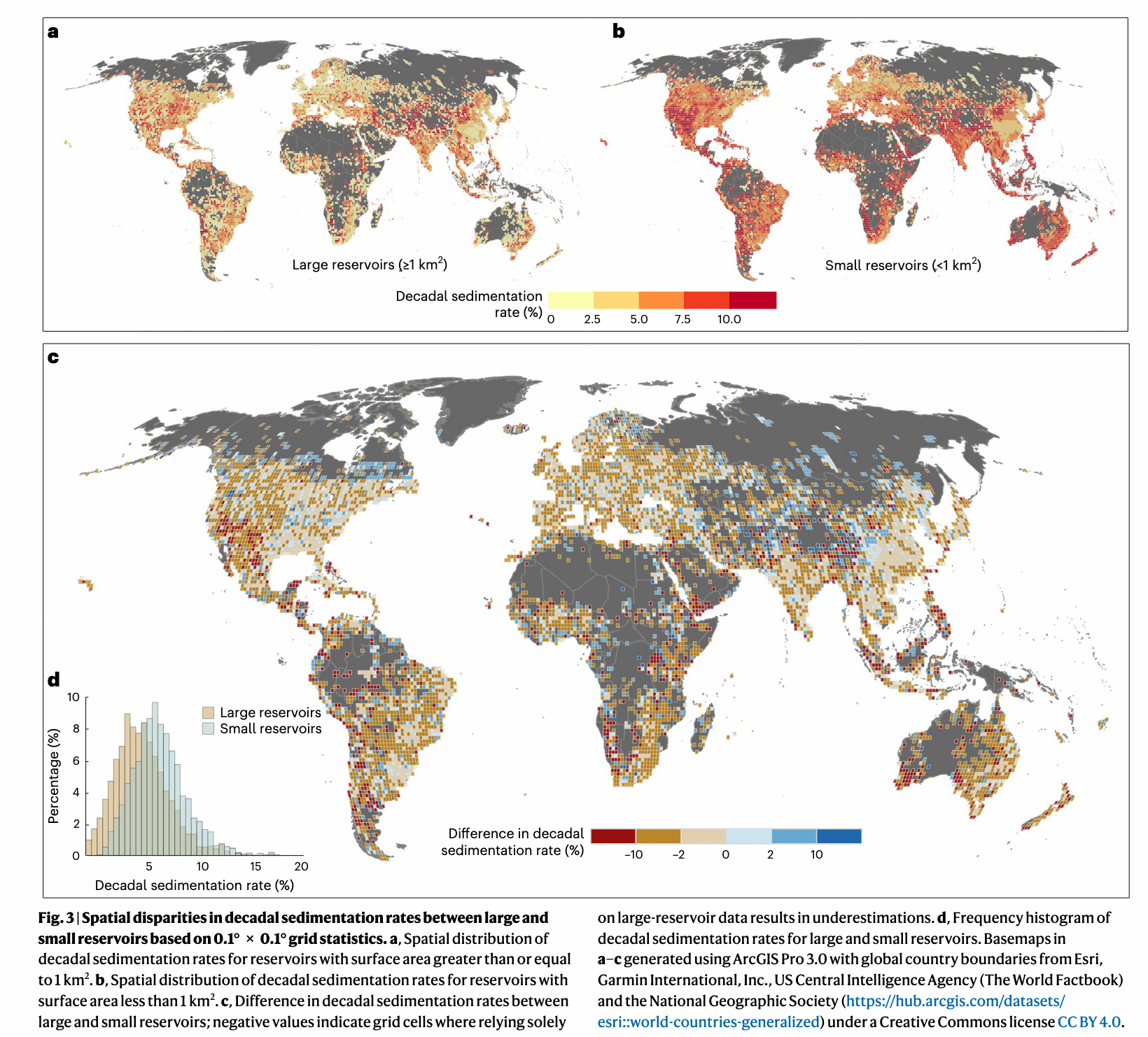
03 基于0.1°×0.1°网格统计的大型与小型储层间十年沉积速率的空间差异
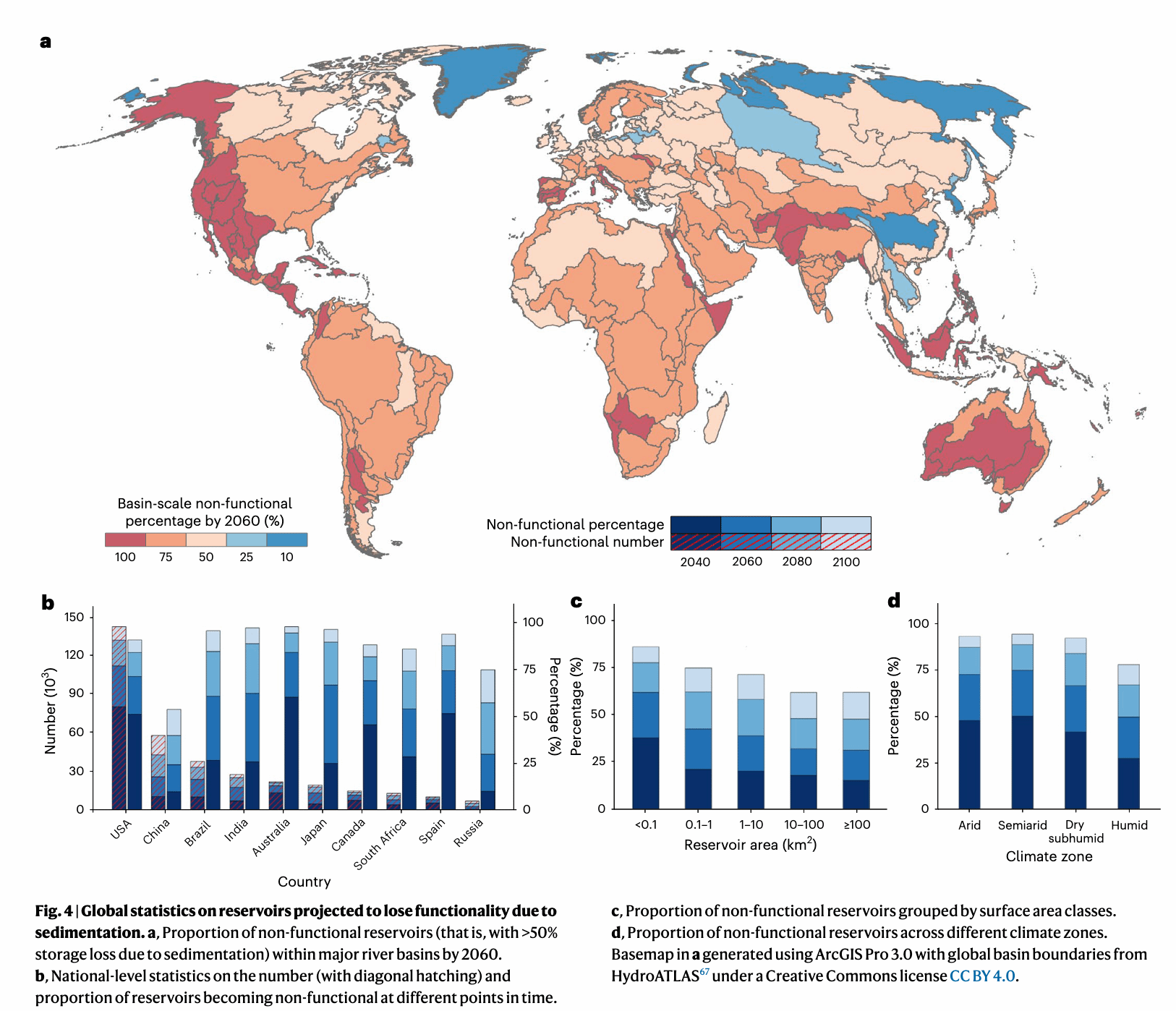
04 全球关于因沉积而可能丧失功能的水库统计
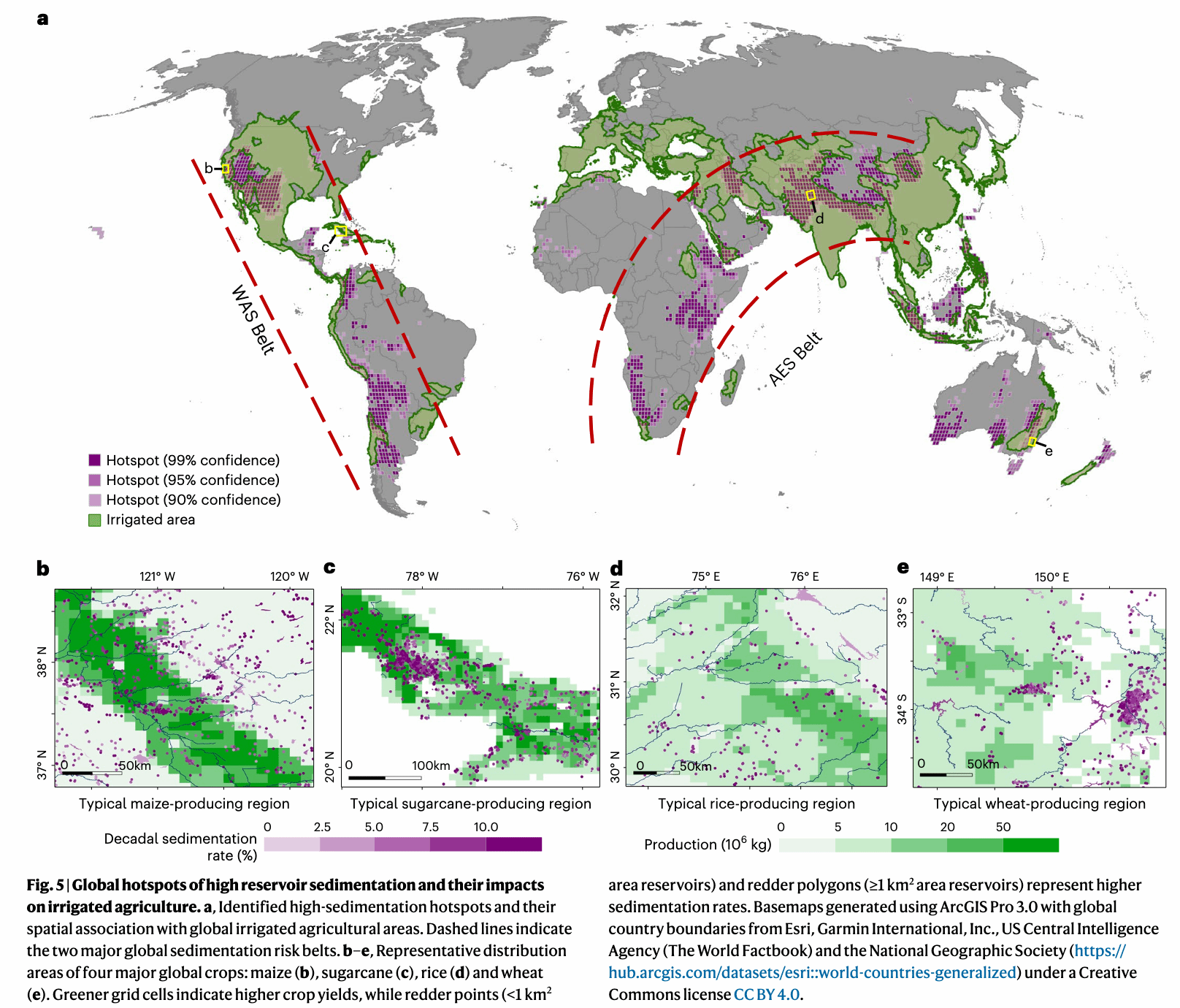
05 全球高水库沉积热点及其对灌溉农业的影响
原文链接:https://www.nature.com/articles/s41893-026-01859-y
原文转引:https://mp.weixin.qq.com/s/usMQhJLrQrVAeGBB76RRsQ

